What Is Walnut Veneered MDF? Features and Uses
Discover what walnut veneered MDF is, its features, advantages and common uses in furniture, interior design and decorative applications.
What Is Walnut Veneered MDF? Features and Applications
In furniture, decoration, and interior design projects, both aesthetic appearance and workability are highly important. For users who want to preserve the natural appearance of wood while looking for an alternative panel product to solid timber, walnut veneered MDF stands out as an attractive option. By combining the homogeneous structure of MDF boards with the distinctive grain pattern of walnut wood, decorative and functional surfaces can be created.
Walnut veneered MDF can be used in a wide variety of projects, ranging from furniture manufacturing and wall panels to kitchen cabinets and office interiors. The warm brown tones and distinctive grain structure of walnut give surfaces a natural, elegant, and sophisticated appearance.
At Kuruoğlu Kerestecilik ve Dış Tic. A.Ş., we provide solutions for various project requirements with wood and wood-based products, while MDF and veneered MDF products are among the alternatives we offer for professional applications.
What Is Walnut Veneered MDF?
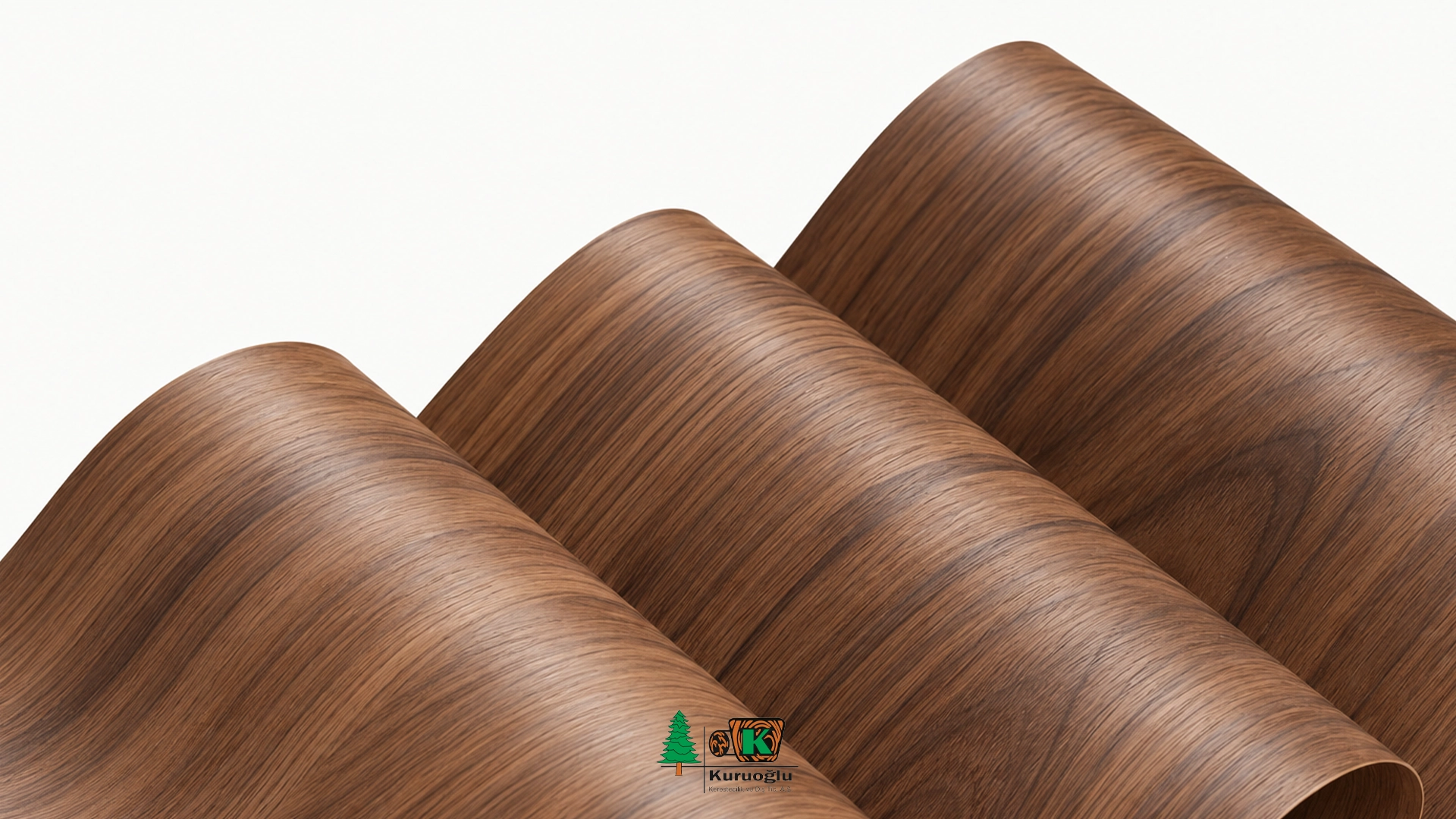
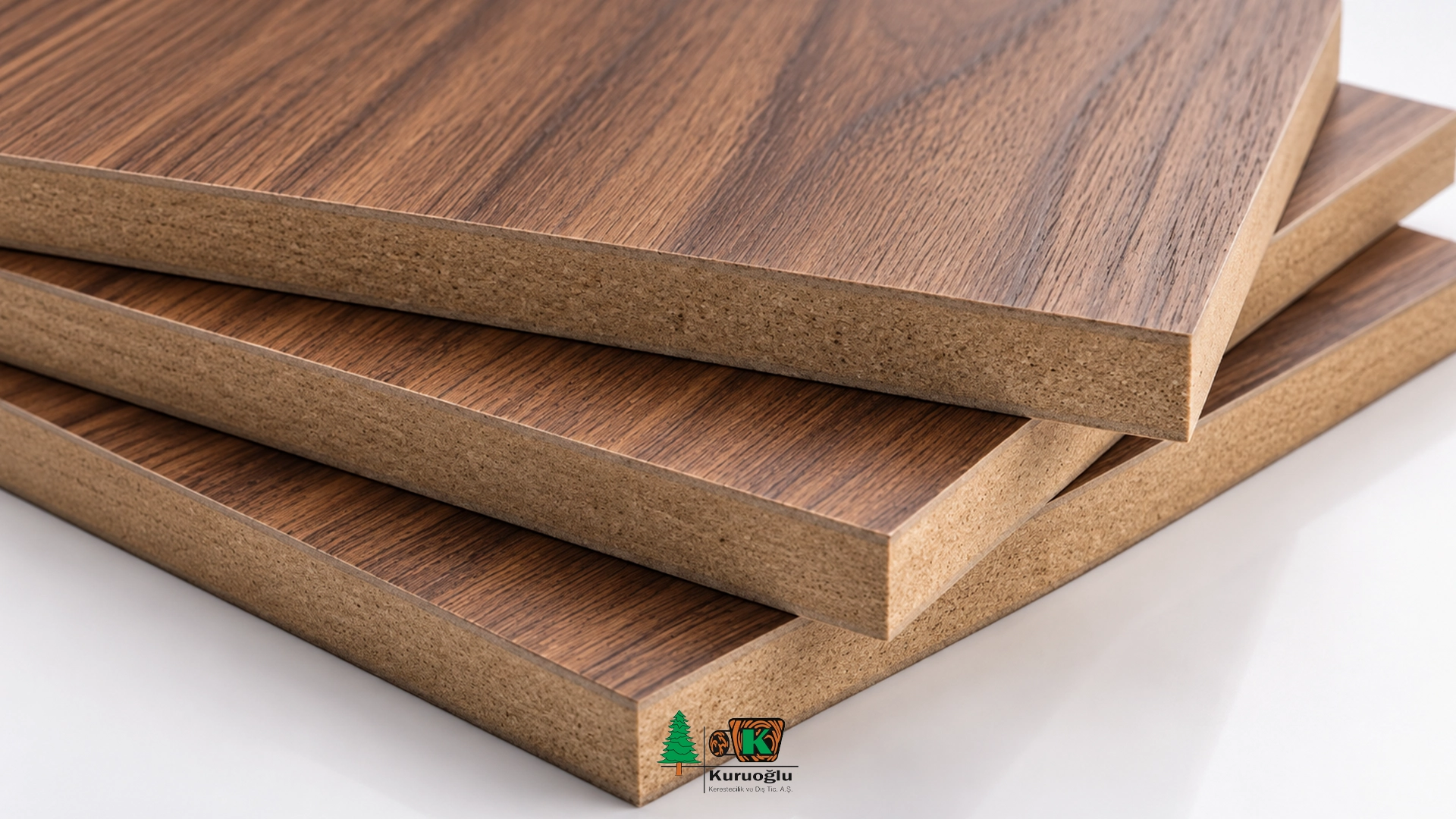
Walnut veneered MDF is essentially a decorative panel manufactured by applying a walnut-look surface or natural walnut veneer onto an MDF board. MDF is an engineered wood product with a homogeneous structure, produced by combining wood fibres with resins and pressing them under high temperature and pressure.
The smooth surface of MDF makes it suitable for the application of different veneer materials. For this reason, MDF is widely used as a core material in natural wood veneer applications.
When walnut veneer is applied, the smooth and balanced surface of MDF is combined with the natural colour and grain characteristics of walnut wood. This results in a panel that offers both decorative appeal and suitability for furniture manufacturing.
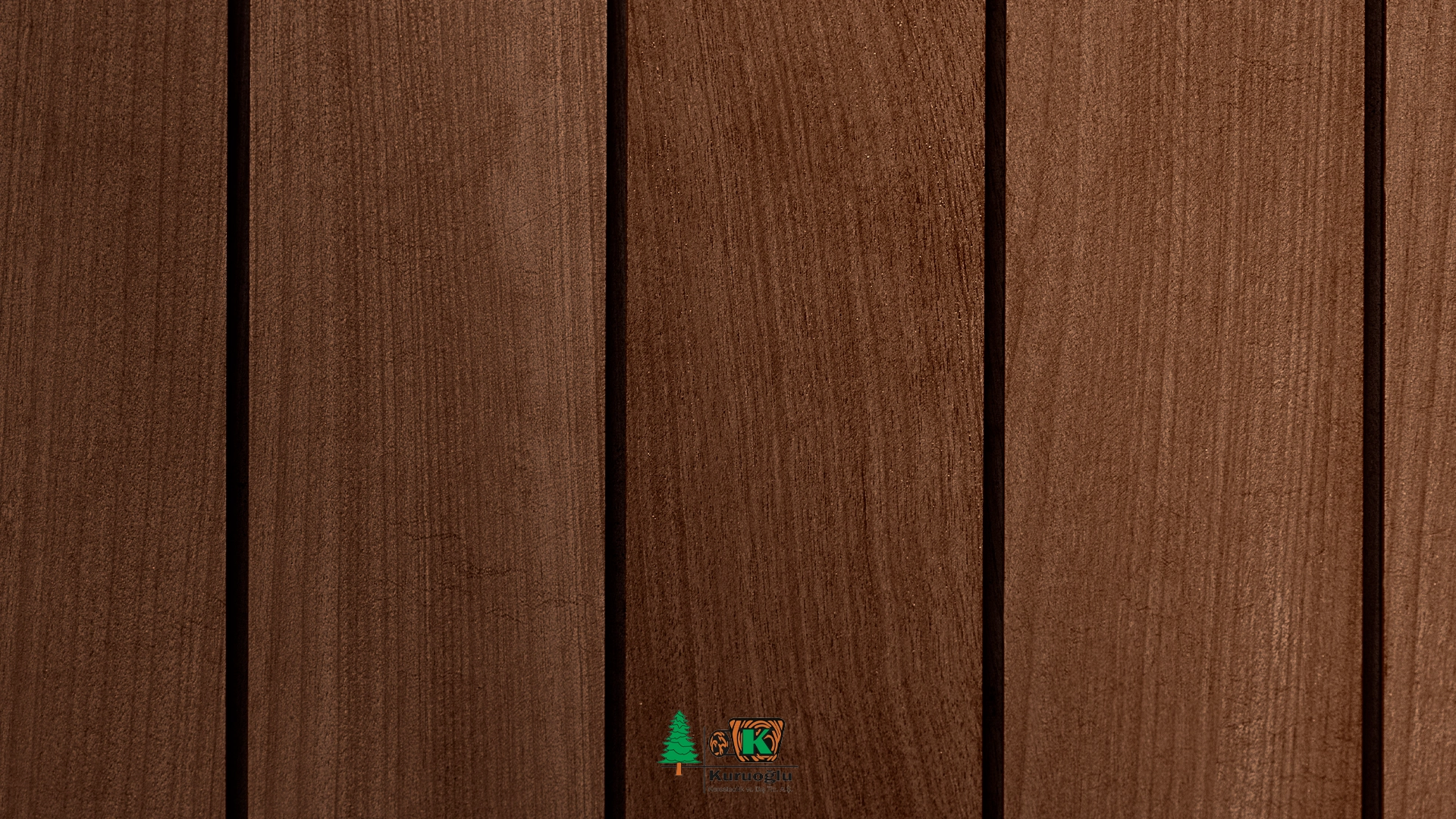
Particularly in products made with natural walnut veneer, slight differences in colour and grain pattern may occur because each tree has its own unique structure. These natural variations give the product a more distinctive and authentic appearance rather than a uniform, mass-produced look.
What Are the Features of Walnut Veneered MDF?
One of the main reasons why walnut veneered MDF is preferred in furniture and decoration projects is that it combines the technical advantages of MDF with the decorative appearance of walnut surfaces.
Provides a Natural Wood Appearance
Walnut has long been regarded as a valuable wood species in the furniture industry due to its distinctive grain pattern.
Walnut surfaces feature various shades of brown and can complement modern, classical, and luxury decoration projects.
MDF boards covered with walnut veneer make it possible to benefit from the natural appearance and visual character of walnut wood.
Has a Homogeneous Core Structure
One of the most important characteristics of MDF boards is their homogeneous composition.
Because wood fibres are processed through a controlled manufacturing process, both the internal structure and surface of the board are relatively uniform.
This characteristic can make MDF easier to use for cutting, drilling, and CNC machining applications.
Easy to Process
Walnut veneered MDF can be processed in different ways for furniture manufacturing when suitable equipment and production methods are used.
The boards can be:
- cut,
- drilled,
- edge processed,
- shaped using CNC machines,
- transformed into furniture components.
Thanks to these characteristics, walnut veneered MDF can also be used in custom-sized and bespoke furniture projects.
Provides a Decorative Surface
One of the most important elements that determines the overall appearance of furniture is the material used on its surface.
The warm appearance of walnut tones can help create a more natural and balanced atmosphere in interior spaces.
When combined with wood, stone, metal, and neutral colours, walnut surfaces can deliver visually striking results in modern interior design projects.
Where Is Walnut Veneered MDF Used?
Walnut veneered MDF is a decorative panel product with a wide range of applications.
Its suitability depends on factors such as the technical specifications of the board, its thickness, the type of veneer used, and the requirements of the project.
Let us take a closer look at its main areas of use.
Walnut Veneered MDF in Furniture Manufacturing
The furniture industry is one of the most common areas in which walnut veneered MDF is used.
It can be used especially in products such as:
- TV units,
- desks,
- dining table components,
- consoles,
- bedside tables,
- bookcases,
- shelving systems,
- cabinets,
- decorative furniture.
While the walnut appearance adds a warmer and more natural character to the furniture, the smooth surface of MDF can also provide advantages during manufacturing.
Walnut Veneered MDF in Kitchen Cabinets
In recent years, interest in natural wood tones has increased considerably in kitchen design.
Walnut tones can be combined with white, cream, beige, anthracite, or black surfaces, particularly in minimalist and contemporary kitchens.
Walnut veneered MDF can be considered as a decorative surface alternative for suitable parts of kitchen furniture.
For example, walnut surfaces can be used on lower cabinets while lighter colours are preferred on upper cabinets, helping create a balanced visual composition.
Similarly, using walnut finishes on kitchen islands can create a strong focal point within the space.
Use in Wardrobes and Cabinet Systems
The appearance of natural wood can help create a warmer atmosphere in bedrooms with wardrobes and built-in cabinet systems.
Walnut veneered MDF can be used on wardrobe doors, side panels, and decorative details.
Especially in minimalist bedrooms, combining walnut tones with light-coloured walls can create a natural and elegant contrast.
Walnut Veneered MDF in Office Furniture
Materials used in office interiors directly influence the general character and atmosphere of the working environment.
Walnut tones can create a professional, warm, and prestigious appearance and may therefore be used in:
- executive desks,
- conference tables,
- reception desks,
- office desks,
- filing cabinets,
- wall panels.
Walnut veneered MDF can be particularly suitable for corporate office projects that aim to combine the warmth of wood with contemporary surfaces.
Use in Wall Panels and Decorative Cladding
In interior design, using wooden wall panels instead of covering all walls with paint or wallpaper has become increasingly popular.
Walnut-finished panels can be used decoratively in areas such as:
- behind televisions,
- behind headboards,
- office walls,
- hotel rooms,
- restaurants,
- meeting rooms,
- retail stores.
Wall panels manufactured using walnut veneered MDF can introduce a natural wood texture into interior spaces.
Use in Retail and Commercial Interiors
In retail design, the materials selected should be compatible with the identity and positioning of the brand.
Walnut surfaces can help create a warm and premium atmosphere, particularly in stores selling high-end products.
Walnut veneered MDF can be used in product display shelves, checkout counters, wall panels, and display systems.
It can also be used in cafés and restaurants to create a decorative natural wood appearance.
What Is the Difference Between Walnut Veneered MDF and Solid Walnut?
Walnut veneered MDF and solid walnut are two different materials.
Solid walnut is natural timber obtained directly from walnut trees. The entire board consists of genuine walnut wood.
Walnut veneered MDF, on the other hand, uses MDF as the core material, while walnut veneer or a walnut decorative surface is applied to the exterior.
Therefore, the two materials may differ in terms of:
- production method,
- weight,
- machining characteristics,
- surface properties,
- areas of application,
- cost.
Solid walnut is often preferred in projects where the full structure and characteristics of natural timber are desired, whereas walnut veneered MDF can provide an alternative for furniture and decorative applications involving larger surfaces.
Difference Between Walnut Veneered MDF and Walnut-Finish Chipboard
MDF and particleboard-based products are frequently compared in furniture production.
MDF is produced from wood fibres and has a more homogeneous structure.
Melamine-faced chipboard, on the other hand, consists of particleboard covered with a decorative melamine surface.
The homogeneous composition of MDF can provide advantages for detailed machining applications such as routing and CNC processing.
For this reason, MDF can be preferred in projects where grooves, patterns, or other detailed surface treatments are required.
However, material selection should not be based solely on appearance. The project's technical requirements, budget, manufacturing method, and installation environment should also be considered.
Advantages of Walnut Veneered MDF
When used in suitable projects, walnut veneered MDF can offer a variety of advantages.
Aesthetic Appearance
One of its most significant advantages is its natural walnut appearance.
The distinctive grain structure of walnut gives furniture a decorative and refined character.
Compatibility with Different Designs
Walnut can be combined with many colours, including brown, cream, beige, white, black, anthracite, and grey.
For this reason, it can be used in both modern and traditional interior designs.
Workability
The homogeneous structure of MDF provides manufacturers with flexibility for cutting, drilling, and shaping processes.
Wide Range of Applications
The ability to use walnut veneered MDF in many applications, from furniture production to wall cladding, is one of its major advantages.
Suitable for Large Surfaces
Producing large furniture surfaces entirely from solid wood may not be necessary or suitable for every project.
Veneered MDF panels can provide an alternative solution for achieving a natural wood appearance over larger surfaces.
What Should You Consider When Choosing Walnut Veneered MDF?
Not every walnut veneered MDF product has the same characteristics.
Therefore, several technical criteria should be evaluated when selecting a product.
Type of Veneer
The first consideration should be whether the surface consists of genuine natural walnut veneer or another decorative material with a walnut appearance.
The appearance, manufacturing method, and pricing of these products may differ.
MDF Quality
The quality of the MDF board itself is just as important as the veneer.
The density, surface smoothness, and technical characteristics of the board can influence its performance during furniture manufacturing.
Board Thickness
Different MDF thicknesses may be preferred depending on the type of project.
The same thickness may not be suitable for furniture carcasses, shelving systems, decorative panels, and other components.
For this reason, board thickness should be selected according to the specific application.
Surface Quality
For products with natural veneer, the grain structure and colour transitions should be carefully examined.
When multiple panels are used next to each other, selecting grain directions and colour tones according to the design can help create a more visually consistent appearance.
Application Environment
MDF-based products should be selected according to the environmental conditions in which they will be used.
Particularly in areas with higher levels of moisture, the technical specifications of the board should be carefully considered.
Which Colours Work Well with Walnut Veneered MDF?
One of the greatest advantages of walnut tones is that they can easily be paired with many different colours.
Walnut and White
The combination of white and walnut is one of the most common pairings in contemporary furniture design.
While white surfaces can help make a space feel brighter and more spacious, walnut details add warmth and character.
Walnut and Black
When black is combined with walnut veneered MDF, it can create a stronger and more contemporary visual effect.
This combination can be particularly suitable for offices, restaurants, and modern living spaces.
Walnut and Anthracite
Anthracite has become one of the most popular colours in contemporary interior design.
Combining matte anthracite surfaces with walnut textures can create a balanced look for modern and industrial-style interiors.
Walnut and Beige
For projects that aim for a softer and more natural appearance, walnut can be paired with beige tones.
This combination can create a warm atmosphere in living rooms, bedrooms, and hotel interiors.
Walnut and Metal
The combination of wood and metal is widely used in modern furniture design.
Walnut surfaces paired with black metal legs or metal profiles can give furniture a contemporary and sophisticated appearance.
How Should Walnut Veneered MDF Be Maintained?
Correct maintenance methods are important for preserving the aesthetic appearance of furniture over time.
When cleaning walnut veneered MDF surfaces, the manufacturer's maintenance instructions should always be followed first.
In general, excessive amounts of water should be avoided during cleaning.
Daily dust and dirt can usually be removed using a soft, slightly damp cloth. The surface can then be dried with a clean, dry cloth.
Abrasive sponges and strong chemicals that could damage the surface should not be used.
For natural wood veneer surfaces, maintenance products suitable for the specific veneer may be required.
How Are Walnut Veneered MDF Prices Determined?
Walnut veneered MDF prices cannot be evaluated based on a single standard figure because several factors influence the final cost.
These include:
- quality of the MDF board,
- board dimensions,
- board thickness,
- type of veneer,
- grade of natural walnut veneer,
- surface treatments,
- order quantity,
- manufacturing and labour requirements.
Products manufactured with natural walnut veneer may have different prices compared with MDF products featuring a decorative walnut surface.
In addition, changes in raw material and manufacturing costs in the wood industry may cause prices to vary over time.
For this reason, professional projects should be priced according to the product's technical specifications and specific project requirements.
Why Is Walnut Veneered MDF Preferred in Furniture?
In furniture design, durability is not the only consideration; visual consistency and aesthetic quality are also highly important.
Walnut veneered MDF combines the manufacturing advantages of MDF with the decorative appearance of walnut surfaces, making it a popular option for many interior design applications.
The natural grain of walnut can create unique visual details that do not repeat uniformly.
For this reason, walnut surfaces can become a powerful decorative element, particularly in designs that emphasise natural materials.
The smooth surface of MDF also provides various possibilities for sizing, machining, and manufacturing furniture components.
Ultimately, when choosing a material, both its appearance and its technical characteristics should be considered together with the conditions of the intended application.
Which Interior Design Styles Are Suitable for Walnut Veneered MDF?
One of the most important advantages of walnut-finished surfaces is their adaptability to different interior design styles.
Modern Interior Design
When combined with straight lines, simple forms, and minimal details, walnut surfaces can add warmth to modern interiors.
Classic Interior Design
Because walnut wood has a long-established place in traditional furniture making, it also integrates well with classical furniture styles.
Minimalist Interior Design
Minimalist interiors focus on avoiding unnecessary details.
A single walnut panel or furniture surface can create a strong focal point within the space.
Industrial Interior Design
Walnut surfaces combined with black metal, concrete, and darker tones can soften the appearance of industrial interiors and make them feel warmer.
Luxury Interior Design
Natural wood textures are frequently used in luxury residences, hotels, restaurants, and executive office projects.
In these projects, walnut veneered MDF can be one of the decorative solutions considered when used with suitable design and application techniques.
Walnut Veneered MDF and Sustainable Material Use
Today, efficient material use is becoming increasingly important in the furniture and construction industries.
Engineered wood panels allow wood-based raw materials to be utilised through a variety of production methods.
Veneer technologies can make it possible to use the decorative qualities of valuable wood species over larger surface areas.
However, sustainability should not be evaluated solely based on the type of material used.
Factors such as the source of the raw material, manufacturing methods, transportation distance, product lifespan, and environmental standards of the manufacturer should also be taken into consideration.
Why Is Professional Support Important When Buying Walnut Veneered MDF?
Selecting the right product for wood-based panels is important for both the service life of a project and the overall quality of production.
Especially for large-scale furniture and interior design projects involving walnut veneered MDF, details such as the following should be determined in advance:
- board dimensions,
- thickness,
- type of veneer,
- surface quality,
- application environment,
- machining method.
For this reason, rather than choosing a product based solely on visual appearance, it is more appropriate to evaluate products whose technical properties meet the requirements of the intended application.
MDF and Veneered MDF Solutions from Kuruoğlu Kerestecilik
With extensive industry experience in wood and wood-based products, Kuruoğlu Kerestecilik ve Dış Tic. A.Ş. offers a broad range of products designed to meet the requirements of different industries and professional projects.
MDF and veneered MDF products can be considered for various requirements in furniture manufacturing, interior architecture, decoration, and professional application projects.
When selecting walnut veneered MDF, MDF, veneered MDF, or other wood products for your project, factors such as the intended use, desired surface appearance, and technical requirements should all be taken into consideration.
Selecting the right material can help improve production efficiency while ensuring that the finished product meets both functional and aesthetic expectations.
Conclusion: Where Does Walnut Veneered MDF Offer Advantages?
Walnut veneered MDF is a decorative panel solution that combines the natural appearance of walnut with the homogeneous and workable structure of MDF.
It can be used in a wide range of applications, including furniture, kitchens, wardrobes, office furniture, retail interiors, and wall panels.
Thanks to the warm colour tones and distinctive grain structure of walnut, it can complement both modern and classical designs.
The workability of MDF also provides designers and furniture manufacturers with a variety of application possibilities.
However, factors such as veneer type, MDF quality, board thickness, and the intended application environment should be evaluated together when selecting the right product.
Before using walnut veneered MDF in professional furniture and interior design projects, selecting a board and surface solution that meets the technical requirements of the project can help achieve attractive and long-lasting results.
You can explore the MDF, veneered MDF, timber, veneer, and other wood product options offered by Kuruoğlu Kerestecilik ve Dış Tic. A.Ş. to find suitable materials for the requirements of your project.