Iroko Timber Decking: Selection and Maintenance Guide
Is iroko timber suitable for outdoor decking? Explore material selection, installation planning, maintenance requirements, and decking cost factors.
Iroko Timber Decking: A Guide to Selection, Installation Planning, and Maintenance
Choosing flooring for a garden, terrace, or pool surround affects both the appearance of the space and the way people use it. Timber decking is an option for projects seeking a natural surface that can work with different architectural styles. However, a successful installation requires more than selecting an attractive colour. Species, product quality, supporting structure, fixing system, and maintenance expectations all need consideration.
Iroko timber is one of the materials buyers encounter when researching exterior wood applications. It deserves consideration by homeowners, architects, and contractors interested in natural timber. Nevertheless, the species name alone does not establish that every available product will suit every project.
This guide offers a practical framework for reviewing decking materials, comparing quotations, planning installation, and preparing a maintenance programme. Its purpose is to help you assess the complete project rather than make a purchasing decision based solely on a price per square metre.
A clear brief at the beginning makes these decisions easier. It allows the supplier and installer to understand what the finished space needs to deliver.
What Is Iroko Timber?
Iroko timber is the commercial name associated principally with wood from Milicia excelsa and Milicia regia. This African timber can range from yellowish brown to darker brown shades. CIRAD’s Tropix technical information describes the heartwood as durable to very durable against decay fungi. The same durability should not be assumed for the sapwood.
For buyers, this distinction highlights the importance of an accurate product description. It is useful to understand both the species being offered and the quality requirements applied to the supplied pieces.
Appearance expectations should also be discussed before ordering. Where timber will form a visible finished surface, colour distribution, grain, and acceptable characteristics deserve attention.
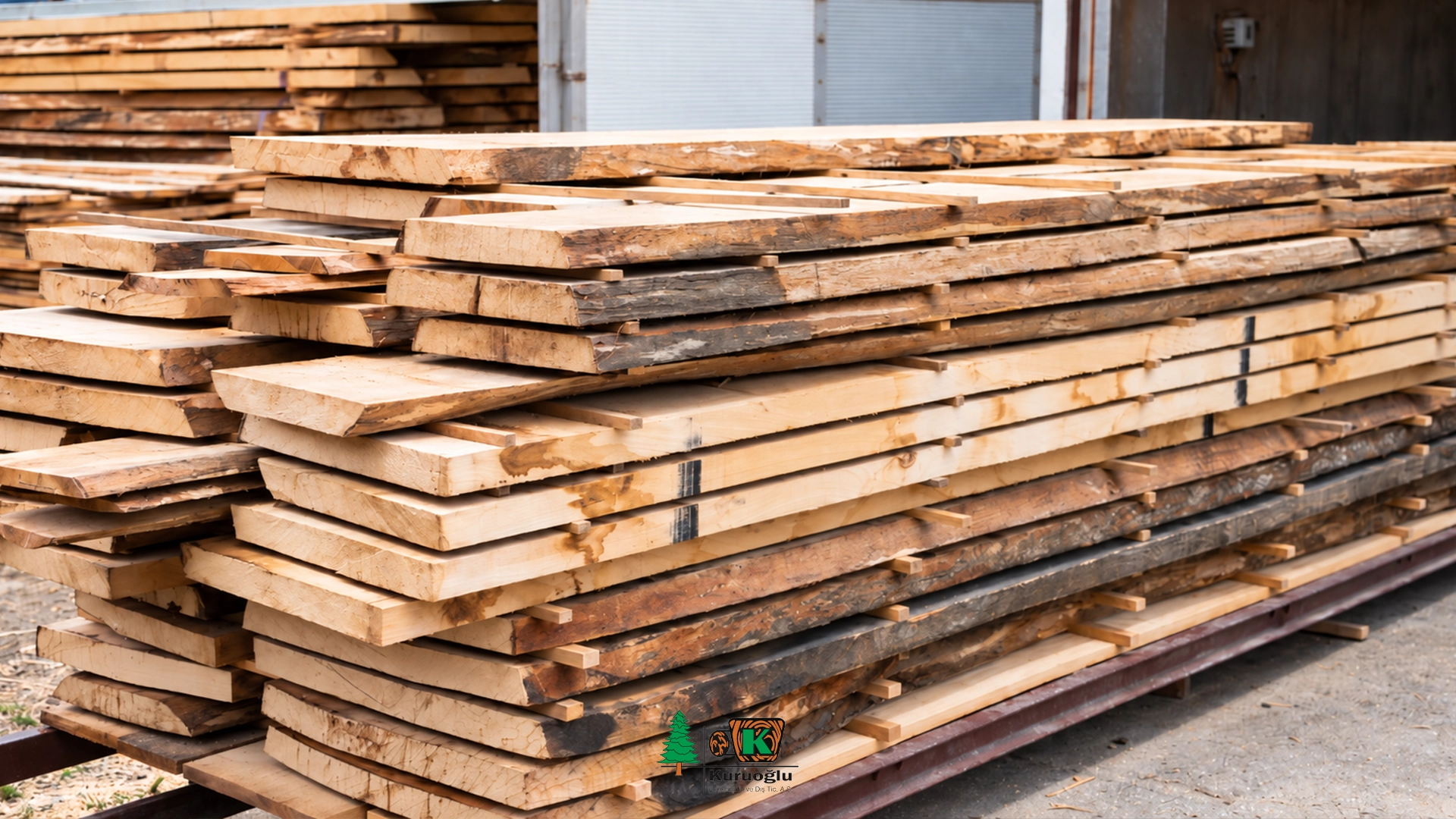
Finally, rough-sawn timber and installation-ready decking boards are different products. An enquiry for iroko timber should state whether the requirement is for rough material, machined profiles, or finished decking components. This helps avoid comparing quotations that cover different levels of processing.
What Is Timber Decking?
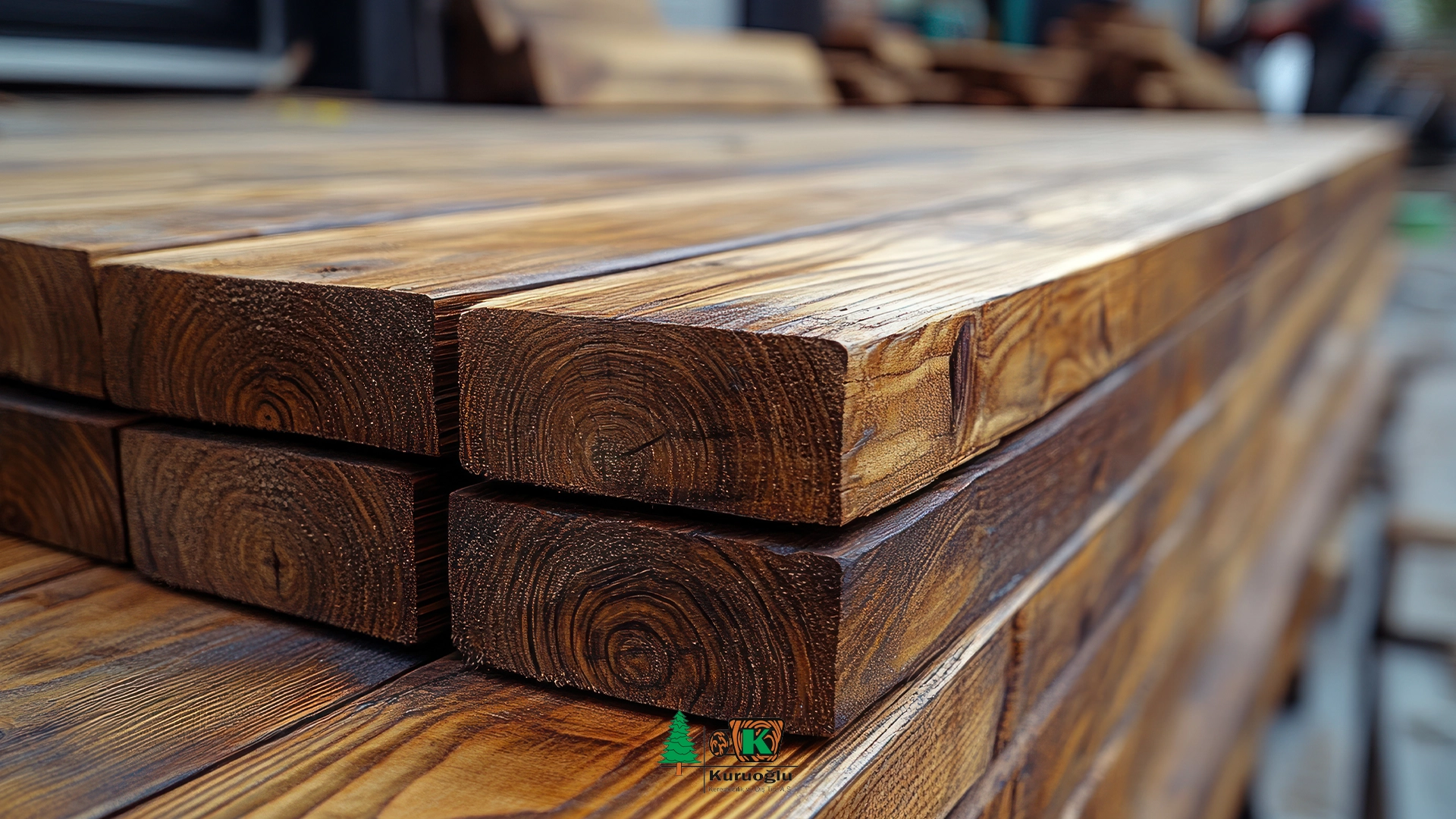
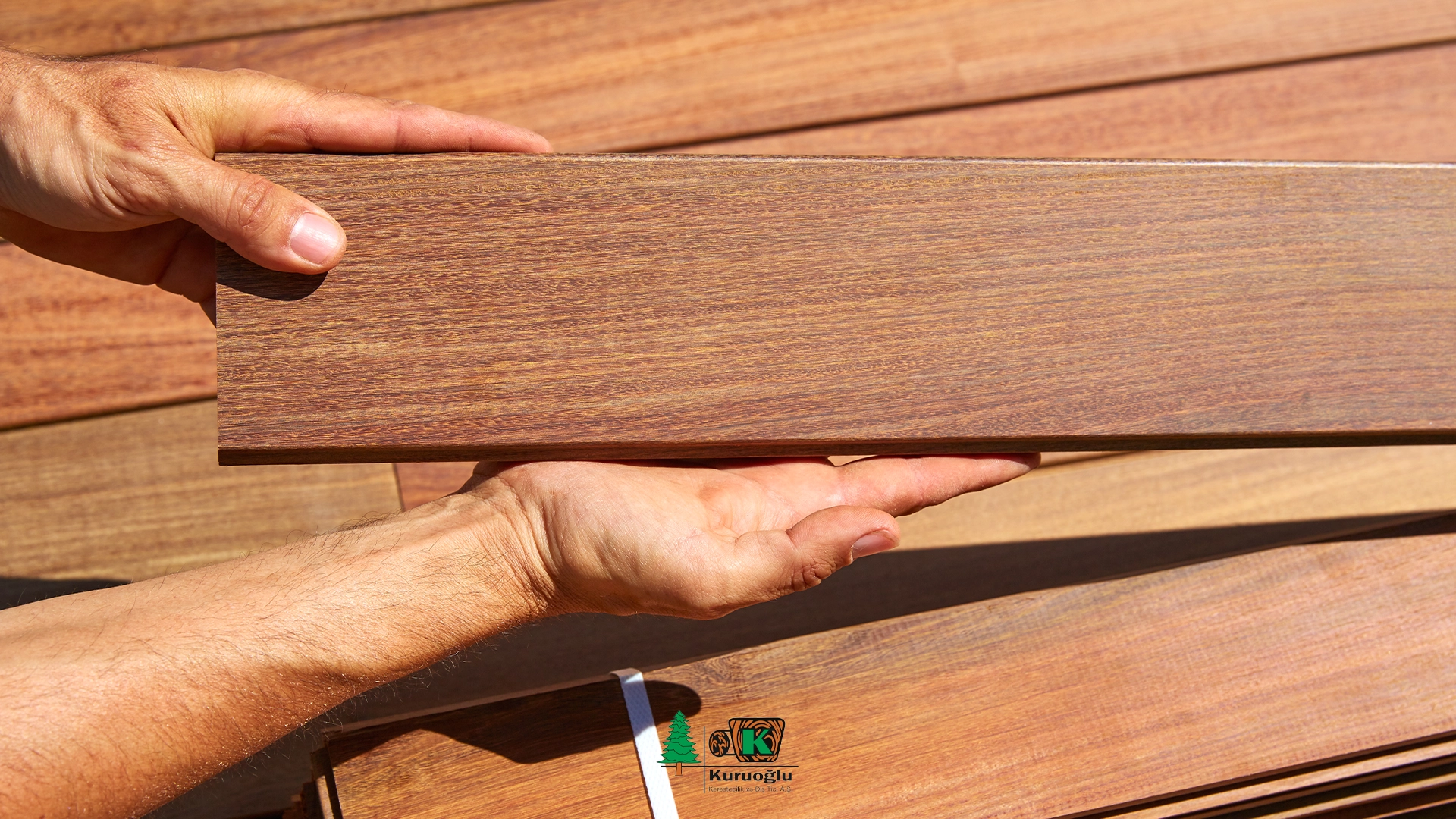
Timber decking is a system of wood boards installed to create an outdoor walking and usable surface. Depending on the project, it may form part of a terrace, garden seating area, pool surround, restaurant exterior, or landscaped route.
The visible boards are only part of the installation. Supports, fixings, perimeter details, and provisions for water management must also be considered. Material selection and installation design should therefore be coordinated.
For example, a deck constructed above an existing concrete terrace may require a different solution from a raised garden platform. The same board should not automatically lead to the same installation detail in both locations.
It is also useful to define how the space will be used. A small residential deck and a busy hospitality area may have different requirements for cleaning access, maintenance scheduling, and detailing.
Starting with the intended use helps the project team develop a specification that reflects the actual site.
Is Iroko Suitable for Outdoor Decking?
Iroko timber can be considered for exterior applications, but suitability depends on product selection and construction details as well as species. Tropix links its exterior use to well-drained construction without water traps. Natural durability should not be interpreted as a guarantee that compensates for unsuitable design. tropix-online.com
When discussing a project, move beyond the general question of whether the wood is suitable outdoors. Ask what application the offered product has been prepared for, which installation instructions apply, and what maintenance information is available.
For a deck made from iroko timber, review the sample, written product description, and proposed installation approach together. This helps connect the desired appearance with the technical solution.
The aim is to assess the material as one component within a complete system. That system must also address the supporting structure, connections, surrounding construction, and practical access requirements.
Where Can Iroko Decking Be Considered?
Begin by describing the intended location and use. A garden seating platform, open terrace, pool surround, and commercial entrance can present different priorities. Preparing a short project brief before requesting quotations makes those priorities clearer.
On a residential terrace, furniture arrangements and door thresholds may influence the design. In a restaurant, cleaning access and the need to work around operating hours may become more important. Around a pool, wet-use conditions require specific attention.
When enquiring about iroko timber, tell the supplier and installer whether the area is fully exposed, partly covered, or connected to an existing building. Describe the current surface and any limitations on site access.
A measured plan and photographs are often more useful than an area figure alone. They help identify perimeter work, changes in level, and access points that may affect the finished installation.
This information supports a more complete quotation and reduces the likelihood of important details being left until work begins.
How Should You Assess the Appearance of Iroko Decking?
Appearance should be an explicit part of the purchasing discussion. A photograph in a brochure is not a commitment that every board in a delivery will look identical. Agreeing on a sample-based expectation is particularly helpful for larger installations.
When reviewing iroko timber, try to assess several pieces together rather than relying on one small sample. This provides a better basis for discussing the overall visual effect and the arrangement of boards.
The surrounding design matters too. Facade finishes, window frames, planting, outdoor furniture, and lighting all influence how the deck is perceived. Looking at these elements together helps create a coherent result.
A small trial section can be useful before the main installation proceeds. If a surface treatment is proposed, review its effect on a sample before approving it for the whole area.
Keep the approved sample as a reference during the project. It provides a clearer basis for discussion than relying on memory or photographs taken under different lighting conditions.
What Should You Specify When Buying Iroko Timber?
A detailed product description makes it easier to compare offers for iroko timber. A request for “iroko for a deck” may leave unanswered questions about dimensions, processing, selection, and delivery condition.
A useful enquiry can include:
- The intended application and net deck area.
- Required finished thickness and width.
- Acceptable board length distribution.
- Profile and surface requirements.
- Moisture acceptance conditions.
- Appearance criteria and sample approval.
- Packaging, transport, and delivery scope.
Where available, add a proposed board layout or cutting plan. A complex shape can require a different mix of lengths from a long rectangular terrace, even when both have a similar total area.
Ordering allowances should also reflect the actual layout. Rather than applying the same waste percentage to every project, ask the installer to assess cutting requirements and any selection allowance.
The purpose of this preparation is to make the order match the design more closely and clarify what the supplier is expected to deliver.
Why Should the Substructure Be Reviewed Before Ordering?
Selecting an attractive decking board does not remove the need to assess the construction beneath it. Existing levels, thresholds, drainage routes, and support arrangements should be reviewed before installation.
Before placing an order for iroko timber, arrange a site review where appropriate. This can reveal details that affect board quantities, finished levels, or the installation sequence.
Doorways, drains, wall junctions, and service access points should be shown on the plan. On terraces, the project team should also consider the existing waterproofing and how the proposed construction interacts with it.
Clarify which contractor is responsible for preparing the supporting structure. If material supply and installation are provided by different businesses, written responsibilities help coordinate the work.
A clear scope should explain what is included, which existing conditions have been assumed, and what needs to be completed before the boards arrive.
How Should Board Gaps and Fixings Be Determined?
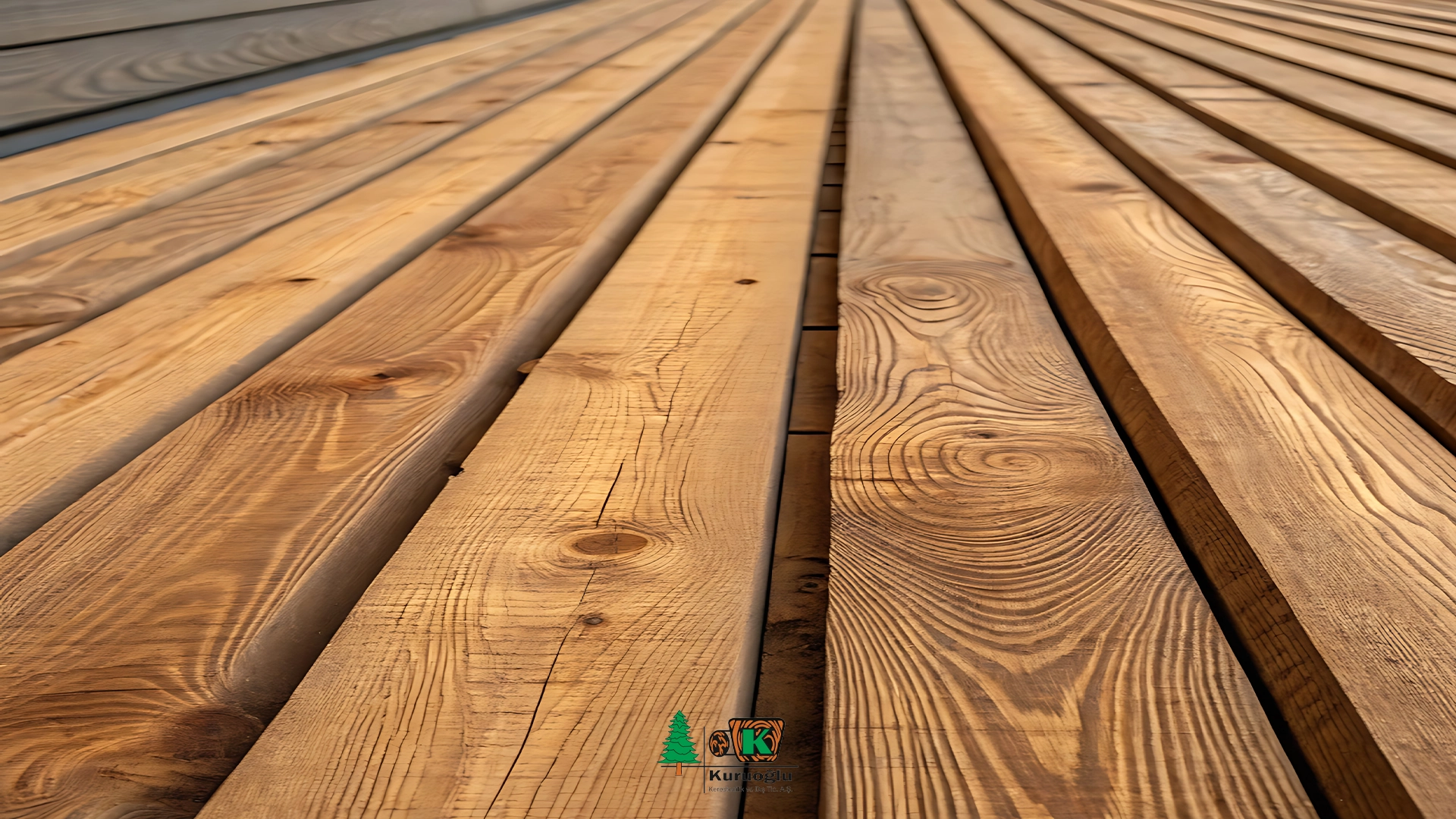
Board spacing, support centres, and fixing details should not be selected from a single rule applied to every deck. They need to reflect the chosen product, dimensions, condition, and installation system.
For a project using iroko timber, ask the installer for a method compatible with the actual boards being supplied. Copying a detail from an unrelated online project may overlook important differences.
Fixing selection also involves more than appearance. Check that the proposed screws or clips are appropriate for the product and exposure conditions. End details, perimeter boards, and junctions should be part of the installation plan.
Completing a small area for approval before proceeding can help establish expectations. Board direction, visible fixings, and edge finishes can then be reviewed together.
This gives the team an agreed reference for the remaining work and an opportunity to address practical questions before the full installation is completed.
What Matters When Using Iroko Around a Swimming Pool?
Poolside flooring requires assessment beyond colour and visual style. Wet use, cleaning routines, pool-edge junctions, and user movement all need consideration. Timber should not be assumed to provide a particular slip performance simply because it is a natural material.
Where iroko timber is proposed, ask whether the selected product and surface treatment are appropriate for the intended application. If the project requires documented slip performance, include that requirement in the specification.
Access to pool equipment, drains, and maintenance points should also remain practical. A visually appealing installation may still create difficulties if servicing requires unnecessary dismantling.
Consider who will use the space. Transitions and level changes in areas used by children, older adults, or people with limited mobility should be assessed by the project team.
The flooring material is one part of a wider design. It should be coordinated with access, cleaning, maintenance, and operational requirements from the outset.
How Should Timber Decking Maintenance Be Planned?
Maintenance should be discussed when the product is selected. Decide what appearance is expected and what level of ongoing care the owner or operator can realistically provide.
Outdoor wood can change in appearance over time, and surface coatings do not completely prevent moisture-related movement. Maintenance expectations should therefore follow the chosen product and finishing system rather than broad promises of a permanently unchanged surface.
For iroko timber, confirm the suitability of cleaning and maintenance products with their manufacturers. Testing a product on a small, discreet area can help assess the visual result before treating the entire deck.
Avoid assuming that every installation needs an identical annual procedure. Review the surface condition and follow the relevant instructions.
A simple maintenance record can include the product used, date of application, and observations. In commercial premises, identify who is responsible for inspection and maintenance before the space opens.
What Affects Iroko Decking Prices?
When comparing iroko timber and finished decking prices, first establish what each quotation includes. Rough timber, machined boards, and a fully installed deck should not be treated as equivalent offers.
Dimensions, length distribution, selection requirements, machining scope, and order quantity should all be reviewed. Ask separately whether delivery, fixings, substructure, and surface treatment are included.
| Quotation item | Information to confirm |
|---|---|
| Deck boards | Species, profile, finished dimensions, and quantity |
| Substructure | Material, layout, and installation scope |
| Fixings | System and product compatibility |
| Surface treatment | Proposed product and application scope |
| Transport | Delivery location and unloading responsibilities |
| Labour | Preparation, installation, and finishing details |
Comparing quotations on this basis makes differences easier to understand. A lower headline price may simply represent a narrower scope.
The most suitable offer is one that clearly addresses the project requirements and explains what will be supplied. Agreeing on that scope before ordering provides a stronger basis for budgeting and delivery planning.
What Documents Should You Request for Responsible Sourcing?
When purchasing iroko timber, ask about origin and available supply documentation. The important question is how those documents relate to the actual product being ordered.
If the project requires certified material, state that requirement at the quotation stage. Check the validity and scope of the documentation and how the relevant product is identified in the sales records.
The description “natural wood” does not, by itself, establish a particular environmental performance or certification status. Purchasing decisions should be based on verifiable information.
Agreement between the architect, purchasing team, and supplier helps avoid uncertainty later. For projects with formal acceptance procedures, document requirements should be resolved before the order is placed.
This also gives the supplier an opportunity to confirm whether the requested specification can be met and which records will accompany the delivery.
Frequently Asked Questions About Iroko Timber Decking
Does iroko decking need maintenance?
Maintenance depends on the desired appearance, use conditions, and selected surface system. Request written care instructions when purchasing so that a practical maintenance programme can be prepared.
Can any iroko timber be installed directly as decking?
A species name does not establish that rough timber is ready for installation. Dimensions, profile, selection criteria, and application requirements must be assessed separately.
What decking thickness should be selected?
Thickness should be determined alongside the product characteristics, support arrangement, and project requirements. One thickness should not be assumed suitable for every installation.
Are iroko decking prices quoted per square metre?
Quotations may use different units. Compare finished dimensions, net coverage, and included work on a consistent basis before making a purchasing decision.
Should you approve a sample first?
Sample approval can help clarify appearance expectations, particularly where a surface treatment or coordinated visual finish is required. Keep the approved sample available throughout the project.
Discuss Your Project with Kuruoğlu Kerestecilik
A successful timber deck combines suitable material with a clear specification and a coordinated installation plan. When researching iroko timber, assess appearance, product requirements, and maintenance expectations together.
Kuruoğlu Kerestecilik ve Dış Tic. A.Ş. lists timber and decking-related products among its website categories. Current iroko options, availability, dimensions, and delivery terms should be confirmed directly with the company. kuruoglukerestecilik.com
To discuss available products, share your project dimensions, intended application, and material requirements with Kuruoğlu Kerestecilik ve Dış Tic. A.Ş..