What Is a Solid Wood Panel? Uses and Advantages
Discover what a solid wood panel is, its advantages, applications, wood species, pricing factors, and how to choose the right panel.
What Is a Solid Wood Panel? Uses and Advantages
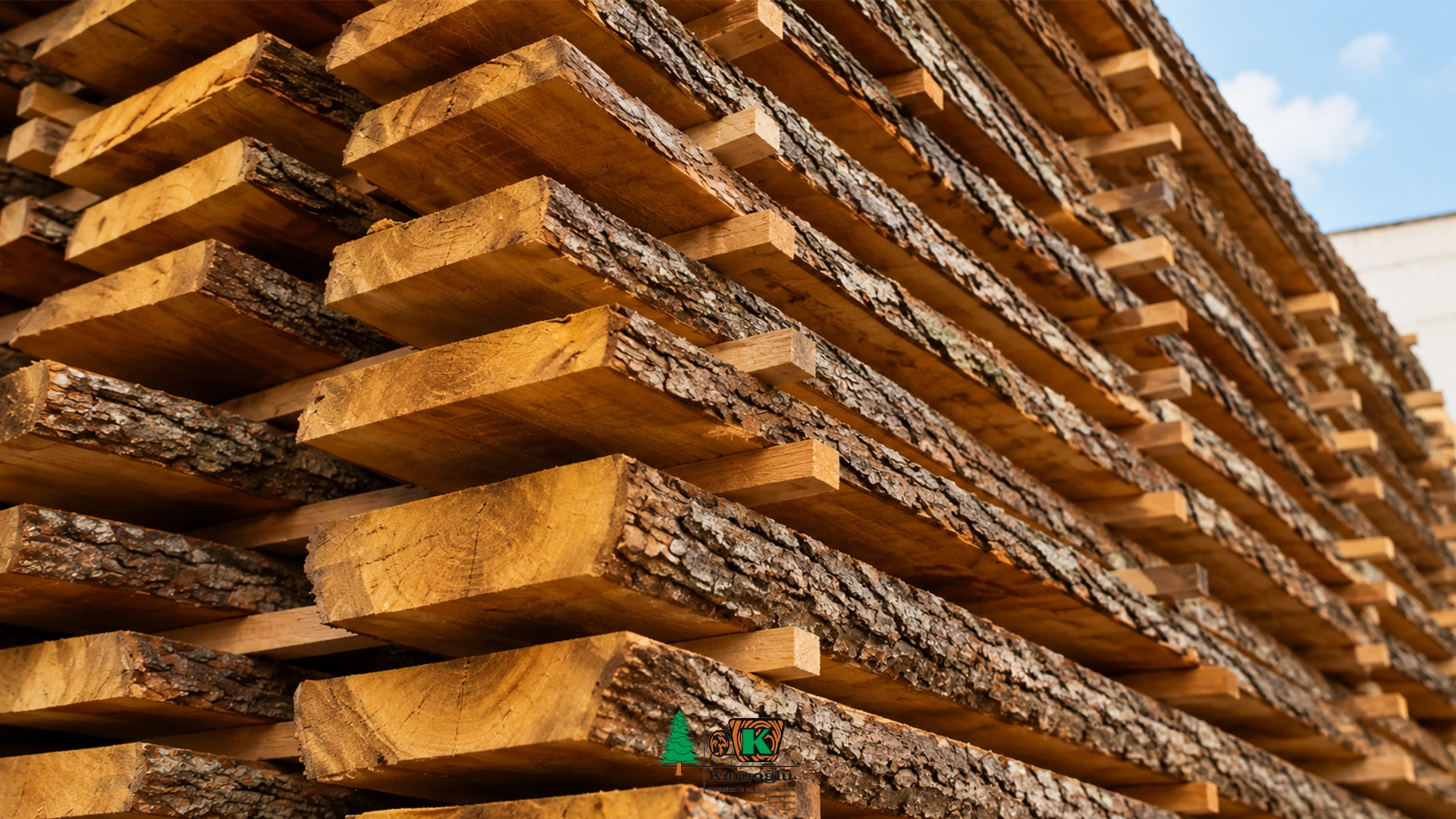
Natural wood has been one of the most important materials used in furniture production, architecture, interior design, and decoration for centuries. Today, as natural appearance, durability, and long-lasting performance become increasingly important, interest in high-quality wood products continues to grow. One of the most preferred products in this category is the solid wood panel.
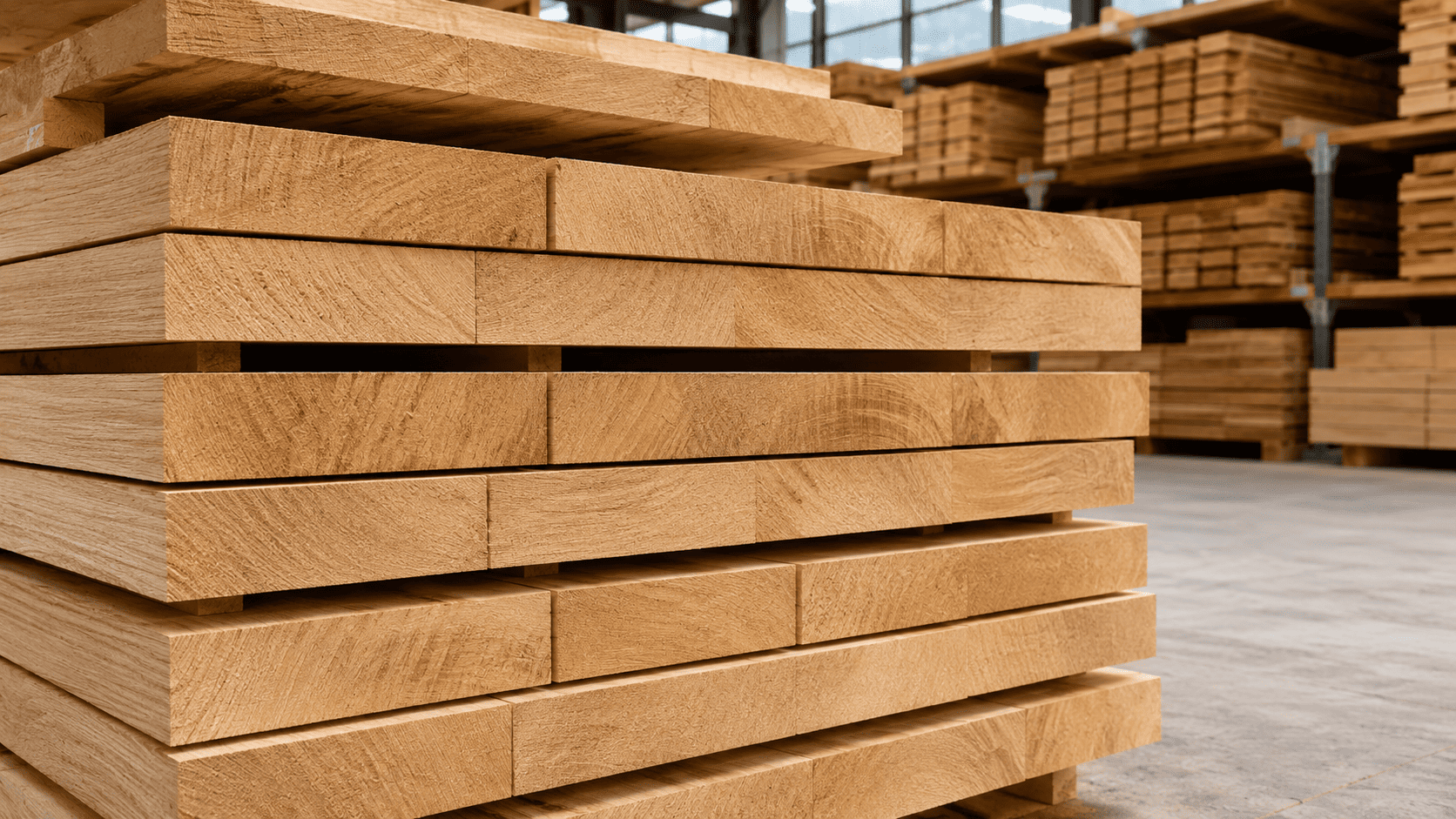
A solid wood panel is a durable wooden panel manufactured by cutting, drying, and joining natural wood pieces using specialized production techniques. While preserving the authentic appearance of wood, it offers a more stable and workable structure, making it a strong choice for both professional manufacturers and decorative applications.
Widely used in furniture production, table tops, kitchen countertops, stair treads, shelving systems, cabinet doors, and custom-made projects, the solid wood panel can be adapted to a wide variety of applications thanks to different wood species, dimensions, and thickness options.
At Kuruoğlu Kerestecilik ve Dış Tic. A.Ş., we provide high-quality solid wood panel solutions designed for different production, architectural, and decorative needs while preserving the natural characteristics of real wood.
What Is a Solid Wood Panel?
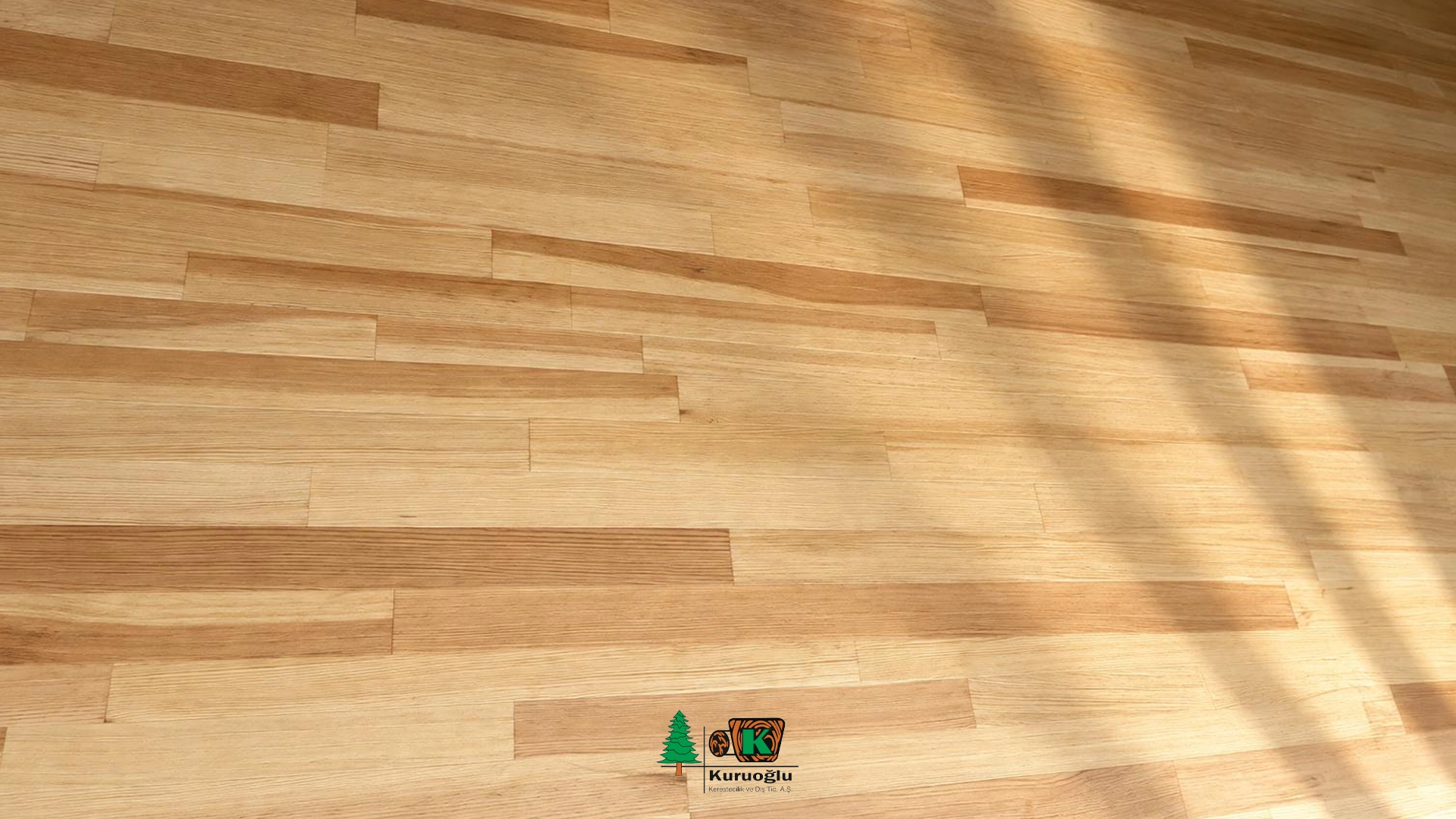
A solid wood panel is a panel product created by placing natural wooden lamellas side by side and bonding them together using specialized adhesive and pressing techniques.
Unlike MDF, particleboard, or other engineered wood boards, the primary structure of a solid wood panel is made from natural timber.
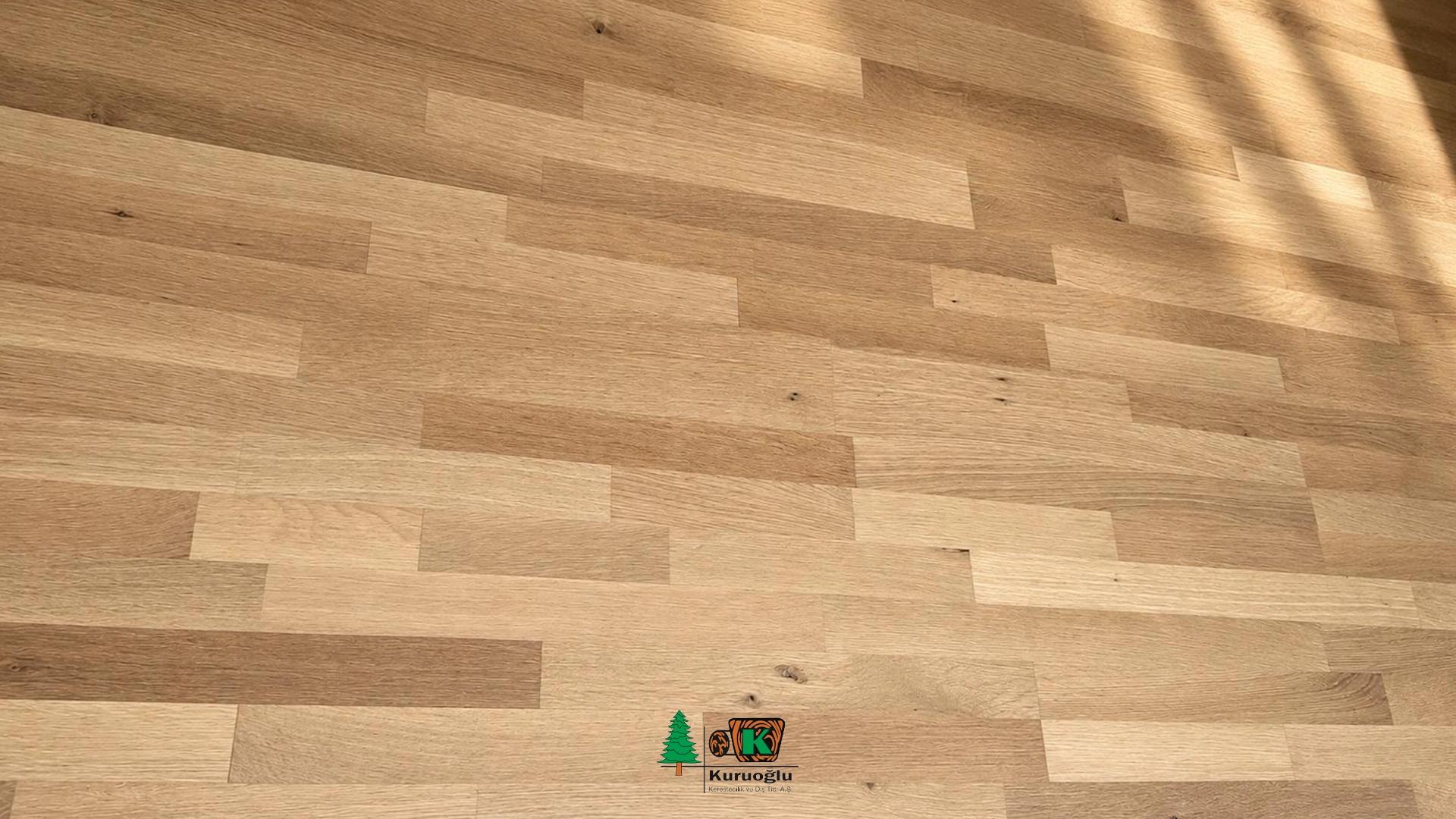
For this reason, the authentic grain patterns, color variations, knots, and natural texture of the tree remain visible on the panel surface.
The moisture content of the timber, the quality of the drying process, and the method used to join the wooden pieces all have a direct effect on the performance and durability of the final product.
A professionally manufactured solid wood panel can provide both an attractive natural appearance and long-term mechanical performance.
How Is a Solid Wood Panel Manufactured?
The production of a solid wood panel consists of several technical stages that require experience, careful selection, and quality control.
The process generally begins with selecting the appropriate wood species.
Timber is cut into suitable dimensions and prepared for drying.
Controlled drying is one of the most important stages of production because excessive moisture in the wood may cause warping, cracking, shrinking, or dimensional changes over time.
After the drying process, the wooden lamellas are inspected and classified according to factors such as:
Color
Grain structure
Knot distribution
Surface quality
Structural condition
Density
Visual consistency
The wooden pieces are then aligned and bonded together using suitable production techniques.
After bonding, the material is pressed to form a stable panel.
The panel can then be processed according to the required thickness, width, and length.
In the final stages, the surface is sanded and prepared for further processing or direct use.
A properly controlled production process helps improve the dimensional stability, surface quality, and service life of the solid wood panel.
Solid Wood Panel vs. Other Wood-Based Boards
There are many different types of wood-based boards available in the market, including MDF, particleboard, plywood, and solid wood panels.
However, these products differ significantly in terms of raw materials, production methods, appearance, and application characteristics.
MDF is manufactured by compressing wood fibers under high pressure.
Particleboard is generally produced by pressing wood particles together with resin.
A solid wood panel, on the other hand, is manufactured directly from natural wood strips or lamellas.
Because of this structure, it preserves the authentic characteristics of natural timber much more effectively.
This is a major advantage in furniture and interior design projects where the natural appearance of real wood is an important part of the design.
Another important difference is renewability.
A solid wood panel surface can often be sanded, refinished, oiled, or restored when necessary.
This makes the material especially attractive for products expected to remain in use for many years.
What Are the Advantages of Solid Wood Panels?
There are many reasons why solid wood panels are preferred in professional furniture, construction, and interior design applications.
Natural Appearance
One of the biggest advantages is the unique appearance of natural timber.
Every tree has its own grain structure, color variations, knots, and visual characteristics.
As a result, each solid wood product has a unique character.
This makes the material especially appealing in projects where authenticity and natural aesthetics are important.
High Durability
Another important advantage is durability.
A high-quality solid wood panel, produced from properly selected and dried timber, can remain functional for many years under suitable conditions.
The performance of the product depends on the wood species, manufacturing quality, installation, and maintenance.
Excellent Workability
Solid wood panels are also highly workable.
They can be:
Cut
Drilled
Sanded
Routed
Shaped
Oiled
Stained
Painted
Finished
This flexibility allows furniture manufacturers, carpenters, architects, and designers to use them in a wide variety of projects.
Repairable and Renewable Surface
One of the major benefits of solid wood is the ability to renew the surface.
Minor scratches, surface wear, and certain marks can often be reduced through sanding and refinishing.
This makes solid wood especially attractive for long-term applications.
Where Are Solid Wood Panels Used?
The application range of the solid wood panel is very broad.
Thanks to its natural appearance and structural properties, it can be used in both residential and commercial projects.
Common applications include:
Table tops
Dining tables
Office desks
Conference tables
Kitchen countertops
Stair treads
Shelving systems
Cabinet doors
Furniture bodies
Decorative wall panels
Interior decoration
Hotel furniture
Restaurant furniture
Office furniture
Retail interiors
Custom furniture
Architectural projects
Special design applications
A solid wood panel is especially suitable for projects where the authentic appearance of natural timber is intended to remain visible.
Solid Wood Panels in Furniture Production
The growing demand for natural materials has increased the use of solid wood panels in furniture manufacturing.
A solid wood panel can be used in the production of:
Tables
Chairs
Coffee tables
Bookshelves
Cabinets
Shelving systems
TV units
Benches
Storage furniture
Decorative furniture
Durability is one of the most important considerations in furniture manufacturing.
Products such as tables and cabinets are exposed to daily use and must maintain their strength over time.
Panels manufactured from quality timber using proper production techniques can provide reliable performance for these applications.
Natural wood also adds a premium character to furniture.
Solid wood furniture is widely used in modern, rustic, Scandinavian, industrial, minimalist, and classic interior styles.
Using Solid Wood Panels for Table Tops
Table manufacturing is one of the most common applications for the solid wood panel.
Natural wood surfaces are widely preferred for:
Dining tables
Work desks
Conference tables
Restaurant tables
Cafe tables
Executive desks
A carefully selected solid wood panel can create both an attractive and durable table surface.
The final performance depends on the wood species, panel thickness, construction, support structure, and finishing method.
Another important advantage is maintenance.
The surface can be sanded, oiled, refinished, or treated with protective products when required.
This can help reduce the appearance of scratches and surface wear that may develop over time.
For this reason, solid wood table tops are often preferred in projects where both appearance and long-term usability are important.
Solid Wood Panels for Kitchen Countertops
Natural wood countertops can create a warm, welcoming, and distinctive atmosphere in kitchen interiors.
They can work particularly well when combined with materials such as:
Natural stone
Metal
Glass
Concrete
Matte cabinet surfaces
A solid wood panel used as a kitchen countertop should be adequately protected against moisture and stains.
Suitable oils, finishes, and surface protection systems should be applied according to the intended use.
Routine maintenance is also important.
Water should not be allowed to remain on the wooden surface for long periods.
When properly maintained, natural wood countertops can provide a highly attractive appearance and long service life.
Solid Wood Panels for Stair Treads
Stair treads are structural components that are exposed to repeated loads and regular foot traffic.
Therefore, the selected material should provide sufficient strength and durability for the intended application.
A solid wood panel can be used for stair treads when the appropriate wood species, thickness, fixing method, and structural support are selected.
Natural wood staircases also create a warm and elegant visual effect in interior spaces.
Hardwood species such as oak and beech are commonly preferred for applications that require higher levels of durability.
Which Wood Species Are Used for Solid Wood Panels?
Different timber species can be used in the production of solid wood panels.
Each species has its own characteristics in terms of:
Color
Density
Grain
Hardness
Appearance
Workability
Mechanical performance
Some commonly preferred options include the following.
Oak Solid Wood Panel
Oak is one of the most popular timber species thanks to its durability and distinctive grain structure.
An oak solid wood panel can be used in:
Furniture
Tables
Staircases
Shelving
Interior decoration
Architectural projects
Its natural coloring and characteristic grain pattern give oak a strong decorative appearance.
Oak is particularly popular in premium furniture and architectural interiors.
Beech Solid Wood Panel
Beech is known for its dense and relatively hard structure.
Its workability and smooth surface make it widely used in the furniture industry.
Beech solid wood panels may be suitable for products such as:
Tables
Chairs
Shelves
Furniture components
Interior fittings
Its relatively uniform appearance can also be useful in projects where visual consistency is important.
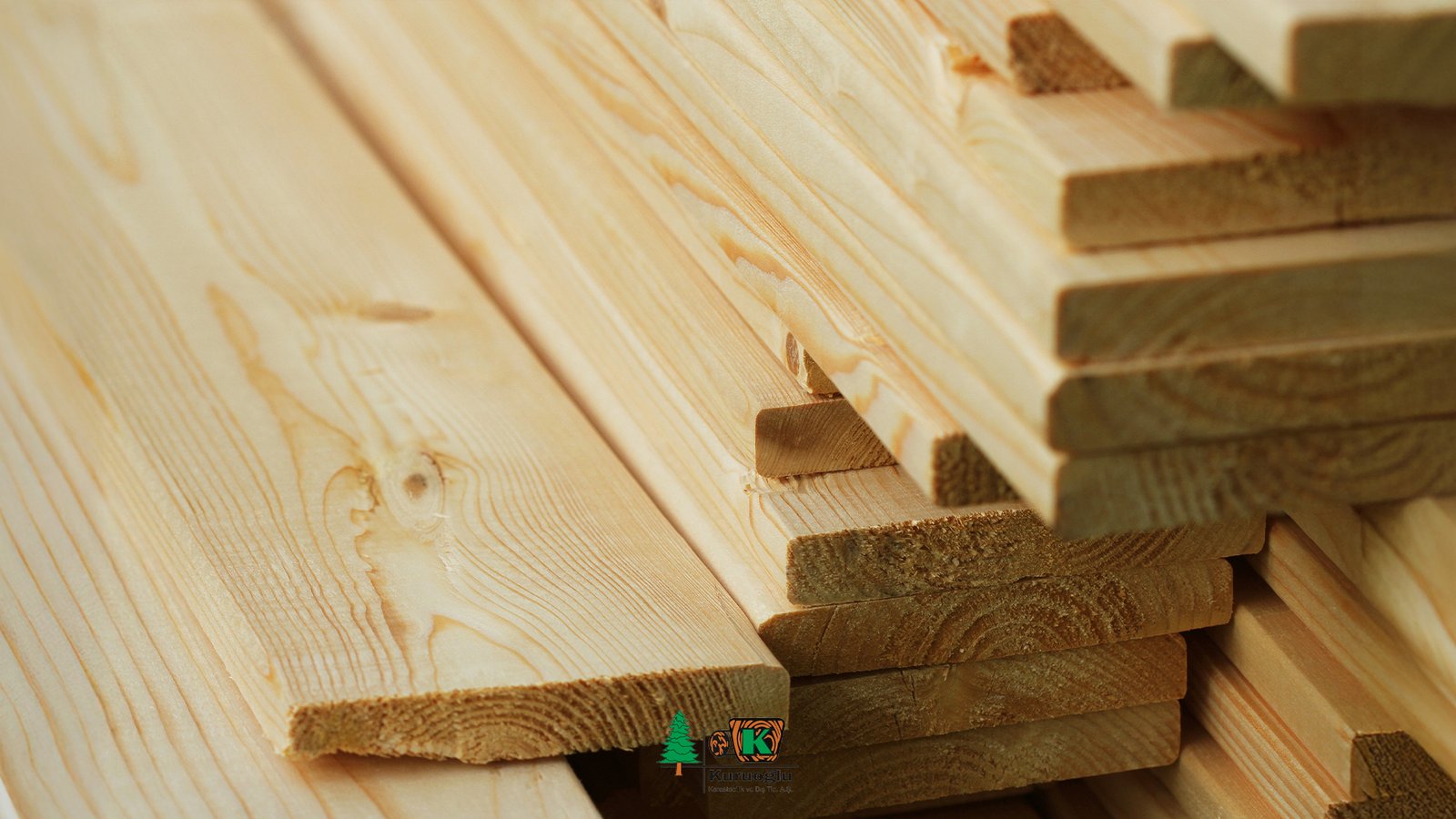
Pine Solid Wood Panel
Pine usually has a lighter natural color and distinctive grain structure.
It can be used in decorative applications, furniture, shelving, and various interior projects.
Pine panels are especially suitable for projects seeking a warm, natural, or rustic appearance.
Walnut Solid Wood Panel
Walnut is highly valued for its dark tones and distinctive grain patterns.
It is frequently preferred for luxury furniture production and premium interior design.
Walnut panels can be used in:
Premium table tops
Executive furniture
Decorative furniture
Custom-made projects
High-end interiors
Its distinctive visual characteristics make it particularly suitable for projects where the natural beauty of the material is intended to become a major design element.
What Should You Consider When Choosing a Solid Wood Panel?
When purchasing a solid wood panel, price should not be the only criterion.
Many different factors influence panel quality and suitability.
Wood Species
The first consideration should be the timber species.
The required hardness, density, appearance, and performance should be selected according to the intended application.
Moisture Content
Moisture content is extremely important.
Wood that has not been properly dried may experience dimensional changes, warping, or cracking.
A controlled drying process therefore plays a major role in the long-term performance of the product.
Surface Quality
The surface should be evaluated according to the project.
For decorative applications, color and grain consistency may be important.
For rustic applications, natural knots and stronger visual variations may be preferred.
Panel Thickness
Panel thickness should always be selected according to the application.
A table top, stair tread, furniture body, and decorative wall panel do not necessarily require the same thickness.
Choosing the correct thickness helps balance aesthetics, weight, structural performance, and cost.
Solid Wood Panel Thickness
A solid wood panel can be produced or supplied in different thickness options.
The required thickness depends largely on the intended use.
Thinner panels may be suitable for furniture components and certain decorative applications, while thicker panels may be preferred for table tops, stair treads, and applications requiring greater structural capacity.
However, a thicker panel does not automatically mean a better panel.
The correct choice should consider:
Load requirements
Support structure
Span
Wood species
Design
Installation method
Intended use
For professional applications, panel thickness should be determined according to the technical requirements of the project.
How to Maintain a Solid Wood Panel
Since a solid wood panel is manufactured from natural timber, appropriate maintenance can help extend its service life and preserve its appearance.
Excessive water should be avoided during cleaning.
In many cases, cleaning with a slightly damp cloth may be sufficient.
Water should not remain on the surface for extended periods.
Depending on the application and surface finish, suitable wood oils or protective maintenance products may be applied periodically.
This can be particularly important for heavily used surfaces such as:
Dining tables
Work desks
Kitchen countertops
A scratched or worn surface may sometimes be lightly sanded and refinished.
After sanding, a suitable oil or protective finish can be applied again.
This ability to restore the surface is one of the important long-term advantages of natural wood products.
Why Are Solid Wood Panels Preferred in Interior Design?
Natural materials continue to play an important role in contemporary interior architecture.
The warm appearance of timber can create a balanced visual relationship with materials such as:
Concrete
Glass
Metal
Stone
For this reason, a solid wood panel can be incorporated into both classic and contemporary interiors.
Minimalist designs may use light-colored woods and clean surfaces.
Rustic projects may prefer more visible grain patterns and natural knots.
Premium interiors may incorporate characteristic species such as walnut or oak.
The wide variety of surface treatments and timber species gives designers considerable freedom.
Are Solid Wood Panels Long-Lasting?
A properly produced and maintained solid wood panel can be used for many years.
Its service life depends on factors such as:
Wood species
Drying quality
Adhesive performance
Manufacturing process
Surface protection
Environmental conditions
Maintenance
Installation quality
One of the strongest advantages of natural timber is its renewability.
Surface scratches, wear, and certain signs of aging can often be reduced through sanding and refinishing.
This characteristic makes the solid wood panel particularly attractive for long-term furniture and interior design projects.
Solid Wood Panels and Sustainable Design
Natural wood can play an important role in sustainable design when responsibly sourced and properly used.
Long-lasting products can reduce the need for frequent replacement.
This makes durability an important part of sustainable product design.
Furniture manufactured from solid wood panels may also offer opportunities for:
Repair
Restoration
Refinishing
Reuse
Repurposing
Instead of immediately replacing worn furniture, its surface may be restored and the product can potentially remain in use for many more years.
This approach is also consistent with circular design principles.
For sustainability-focused projects, responsible sourcing and relevant certification requirements should be evaluated according to the project and market.
Advantages of Solid Wood Panels in Decoration
One of the major advantages of the solid wood panel is its ability to adapt to different design styles.
Natural wood tones can be combined with a wide variety of colors and materials.
For example, modern interiors often combine solid wood table tops with black metal legs.
Rustic interiors may use panels with stronger knots and natural grain variations.
Classic interiors may feature darker stains and more detailed craftsmanship.
Luxury projects may use premium oak or walnut surfaces.
This versatility makes solid wood panels valuable for:
Architects
Interior designers
Furniture manufacturers
Carpenters
Contractors
Custom furniture workshops
What Determines Solid Wood Panel Prices?
Solid wood panel prices can vary depending on several factors.
One of the most important factors is the wood species.
Raw material costs for oak, walnut, beech, pine, and other timber species can differ significantly.
The dimensions of the panel also affect pricing.
Important factors include:
Thickness
Width
Length
Wood species
Quality grade
Knot structure
Color classification
Grain consistency
Surface processing
Production specifications
Higher-quality panels that require greater consistency in color and grain may involve more selective raw material use and additional production control.
When comparing solid wood panel prices, it can therefore be useful to consider not only the initial purchase cost but also durability, renewability, and long-term performance.
How to Choose the Right Solid Wood Panel
The first step in selecting the right panel is defining the intended use.
Tables, stairs, kitchen countertops, furniture components, and decorative applications can all have different requirements.
The suitable wood species should then be selected.
For high-use applications, harder and more durable species may be preferred.
When visual character is the priority, grain structure, color, and natural variation may become more important.
Panel dimensions and thickness should also match the technical requirements of the project.
Working with an experienced supplier can help manufacturers and designers choose an appropriate product for the intended application.
Kuruoğlu Kerestecilik ve Dış Tic. A.Ş. Solid Wood Panel Solutions
Quality raw materials and proper production standards are essential in the timber industry.
At Kuruoğlu Kerestecilik ve Dış Tic. A.Ş., we provide solid wood panel solutions designed to meet the requirements of different industries and projects.
From furniture manufacturers and interior architecture projects to table production and custom design applications, we offer product options suitable for a wide range of professional requirements.
Different timber species, dimensions, and application-oriented alternatives make it possible to select panels according to project requirements.
By combining the aesthetic appeal of natural timber with a quality-focused approach, Kuruoğlu Kerestecilik ve Dış Tic. A.Ş. aims to provide reliable wood solutions for professional applications.
Frequently Asked Questions About Solid Wood Panels
Is a Solid Wood Panel Made from Real Wood?
Yes.
A solid wood panel is manufactured by joining pieces or lamellas of natural timber.
As a result, it preserves the natural grain, color variations, and visual characteristics of real wood.
Is a Solid Wood Panel Different from MDF?
Yes.
MDF is manufactured primarily from processed wood fibers, while a solid wood panel is made from natural wooden lamellas.
The two products therefore differ significantly in terms of structure, appearance, surface characteristics, and certain application properties.
Can Solid Wood Panels Be Used for Tables?
Yes.
Table tops are among the mo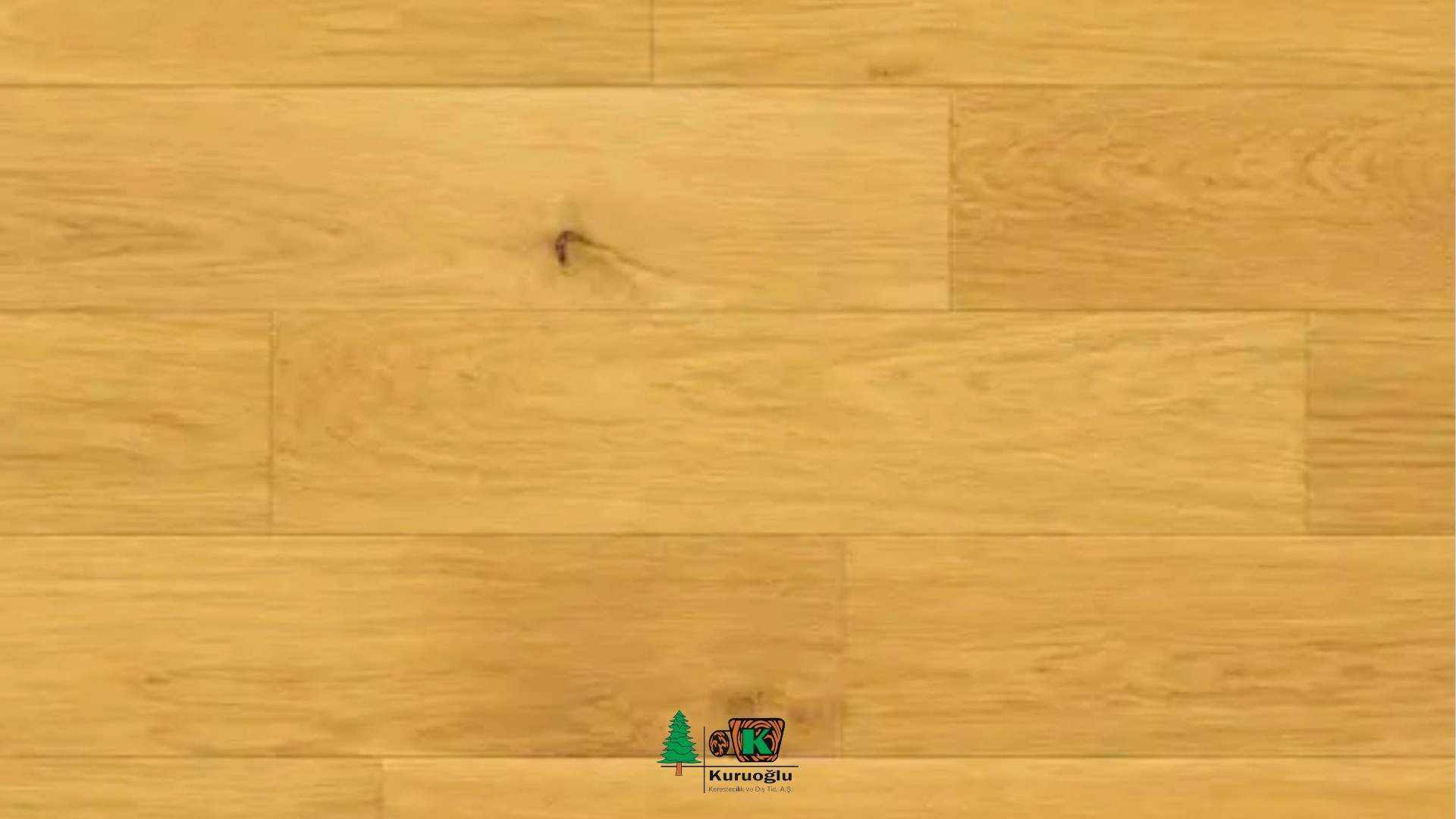 st common applications for solid wood panels.
When the appropriate wood species, thickness, support structure, and finish are selected, solid wood panels can be used to create durable and attractive table surfaces.
Are Solid Wood Panels Waterproof?
Natural wood can be affected by prolonged exposure to water and moisture.
Therefore, suitable surface protection should be applied, especially in applications such as kitchen countertops.
Water resistance also depends on the wood species, adhesive system, finish, construction, and maintenance.
Can Solid Wood Panels Be Painted?
Yes.
Solid wood panels can generally be painted, stained, varnished, oiled, or treated with suitable surface finishes depending on the required appearance and application.
Can a Solid Wood Panel Be Sanded?
Yes.
One of the major advantages of a natural wood surface is that it can often be sanded and refinished when required.
This can help extend the usable life of the product.
Which Wood Species Are Used for Solid Wood Panels?
Solid wood panels can be manufactured from different species, including:
Oak
Beech
Pine
Walnut
Other suitable hardwood and softwood species
The correct choice depends on appearance, performance requirements, budget, and intended application.
Conclusion: Why Choose a Solid Wood Panel?
Combining the aesthetic appeal, durability, and workability of natural timber, the solid wood panel is one of the most versatile materials used in the furniture and interior design industries.
Its broad range of applications is one of its strongest advantages.
Solid wood panels can be used for:
Table tops
Kitchen countertops
Stair treads
Shelving
Furniture
Interior decoration
Custom-made designs
When the correct wood species, appropriate thickness, proper production methods, and suitable surface protection are selected, a solid wood panel can provide a durable solution for long-term use.
Each piece of natural timber features its own grain structure and color variations, giving completed projects an authentic and distinctive character.
The ability to maintain, sand, and refinish natural wood surfaces can also contribute significantly to the product's service life.
At Kuruoğlu Kerestecilik ve Dış Tic. A.Ş., we provide high-quality timber solutions for a wide range of manufacturing and project requirements.
For furniture, decoration, table production, staircases, architectural applications, or custom design projects, the right solid wood panel can help combine the natural beauty of timber with strength, versatility, and long-lasting performance.